
What Home Inspectors
Actually Look For.
By Jason White
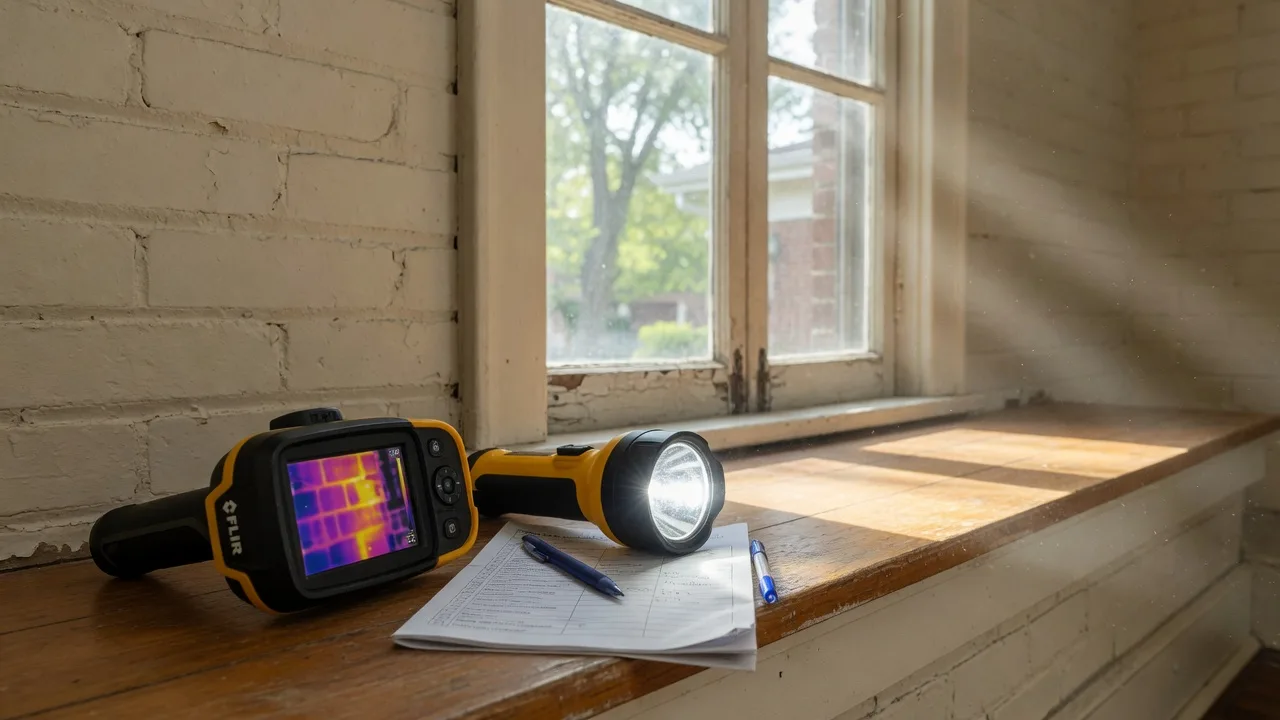
The home inspection is the one step in a home purchase where you get an independent, professional read on the condition of the house. A licensed inspector walks the property from the roof to the basement, tests the major systems, and hands you a written report of what works, what is aging, and what could cost you real money down the road.
If you are buying a home in the Dayton area, this is one of the most valuable protections you have, and it is worth understanding exactly what the inspector is looking for before you get to the property. Here is what a standard inspection actually covers, what it typically costs in Ohio, and what I tell my buyers to do with the findings.
What a standard inspection covers
A standard home inspection is a visual, non-invasive examination of the home's major systems and components. The inspector checks what can be seen and tested without damaging anything, moving heavy furniture, or pulling apart walls. In an average-size home, expect the inspector to spend roughly two to three hours on site, and longer for larger or older properties.
Here is what gets looked at, top to bottom:
- Roof, gutters, and downspouts. Condition of the shingles or roof covering, flashing around chimneys and vents, gutters, and how water is directed away from the house.
- Exterior and grading. Siding and brick, windows and doors, trim, and especially the grading around the foundation. In Ohio, how the ground slopes around the house tells you a lot about whether water will find its way into the basement.
- Foundation and structure. Foundation walls, floor joists, and framing. Cracks, uneven floors, and doors that stick can all point to settling.
- Basement and crawlspace. Moisture, efflorescence (that white powdery residue on concrete), musty odors, and signs of past or active water intrusion. This is where a lot of Ohio homes earn their keep on the report.
- Electrical. The panel, visible wiring, outlets, and ground fault protection in kitchens, bathrooms, and garages. Older homes may still carry remnants of knob-and-tube wiring or undersized panels, both worth knowing about.
- Plumbing. Visible pipes, water heater, and fixture function. In older Dayton-area homes, cast-iron supply or drain lines and aging water heaters show up often.
- Heating and cooling. Furnace, air conditioner, and ductwork. The inspector checks that systems run, reports age and condition, and notes red flags, but a general inspector is not an HVAC specialist.
- Attic and insulation. Insulation levels, ventilation, and signs of roof leaks or moisture.
- Interior. Walls, ceilings, floors, stairs, railings, windows, and visible structural elements. Kitchen and bath fixtures, appliances that convey, and smoke and carbon monoxide detectors.
- Garage. Doors, openers, and the fire separation between the garage and living space.
Inspectors also note the things they cannot fully evaluate, such as inaccessible attic spaces or concealed plumbing, and they do not move furniture, personal belongings, or take destructive action. A home inspection is a snapshot of visible condition, not a guarantee against future failure.
What an inspection costs in Ohio
For a standard single-family home, plan on roughly $325 to $500 for the inspection, with the most common range landing around $350 to $425. Smaller homes and condos often come in lower, while homes over about 3,000 square feet or older properties with more to examine can run $600 or more. The written report usually arrives within a day or two after the visit.
That is a modest investment relative to what it can protect. In a market where the most recent published figures for the Dayton region, from July 2026, showed a median sale price around $275,000 with homes selling at about 100% of list price, an inspection that catches a failing roof or an aging HVAC system can save you five figures. It is the cheapest insurance you will buy in the entire transaction.
What inspectors find most often in Ohio homes
After two decades of sales across Beavercreek, Centerville, Bellbrook, and Kettering, I can tell you the same findings show up on reports again and again, and they are tied to Ohio's climate and soil. Clay-heavy soil that expands and contracts with moisture and freeze-thaw cycles, plus frequent rain and snowmelt, drives most of them:
- Foundation cracks and settling. Horizontal cracks, bowing walls, uneven floors, and sticking doors are classic signs of movement in Ohio soil.
- Basement water intrusion. Dampness, mold, musty smells, and efflorescence on the walls are among the most common findings in this area.
- Drainage and grading problems. Ground that slopes toward the house, clogged or missing downspout extensions, and outdated drainage are all fixable, but they drive water into basements if ignored.
- Aging systems. Cast-iron plumbing, deteriorating sewer lines, older electrical panels, and water heaters past their expected service life show up in older homes routinely.
- Roof and gutter issues. Worn shingles, flashing problems, and gutters that have pulled away are common and easy for an inspector to spot.
- Elevated radon. Parts of Ohio see elevated radon levels, and many inspections recommend a radon test. It is inexpensive and worth doing while the inspector is there.
None of these findings are necessarily deal-breakers. What they are is information, and information is exactly what you need to negotiate from a position of strength instead of discovering the issue after closing.
Add-ons worth considering
The standard inspection does not cover everything. For specific concerns, you can add targeted inspections, and they are usually a reasonable cost:
- Radon test. Typically $100 to $250. The detector stays in place for a minimum of 48 hours, and results come back in a few days. The EPA recommends testing, and parts of Ohio have elevated levels, so I rarely advise skipping this.
- Sewer scope. Typically $125 to $350. A camera is run through the sewer line to check for cracks, bellies, and root intrusion. For older homes, especially with mature trees near the line, this one pays for itself.
- Wood-destroying insect (WDI) inspection. Often $75 to $150, and frequently required by lenders and VA loans. It confirms there is no active termite or carpenter ant activity.
- Well and septic. If the property is outside city water and sewer, water quality testing and a septic inspection are essential, typically a few hundred dollars depending on scope.
What the report will not tell you
The inspection report is a snapshot with limits, and you should know what they are. The inspector will not predict when a roof or furnace will fail, will not price repairs, and will not evaluate whether the home is worth what you offered. Cosmetic issues are noted but rarely the focus. And because the report is visual, anything concealed behind walls, under finished basements, or behind heavy furniture simply may not surface.
That is why I always tell buyers to read the report with a practical lens. An old report item like a discolored roof is not the same as a serious structural finding. Focus your attention on safety items, structural condition, water intrusion, and the big mechanical systems, and treat those as the real negotiation material.
Using the inspection to negotiate
In Ohio, the standard residential purchase agreement gives you a set number of days for inspection, often 15 days unless negotiated. In competitive areas of the Dayton market, many buyers shorten that to 7 to 10 business days to keep their offer attractive, and I have seen that work well. Once the report comes back, you typically have a short window, often about 5 calendar days, to notify the seller of issues and decide your next move.
Your options when the report finds problems:
- Request repairs. Ask the seller to fix specific items before closing.
- Negotiate a credit or price reduction. The seller gives you a credit at closing or lowers the price, and you handle the work yourself with your own contractors.
- Accept the home as-is. If the findings are minor or within your comfort zone, you can simply proceed.
- Walk away. If a serious structural or safety issue surfaces and the seller will not work with you, the inspection contingency lets you exit and keep your earnest money.
The last option matters more than buyers realize. I have seen buyers waive the inspection to win a bidding war and then discover foundation or water issues that cost tens of thousands of dollars. In the fast-moving pockets of Beavercreek and Centerville, where homes in the July 2026 data were still selling at about 100% of list price, the temptation to skip protections is real, and I advise against it. There are better ways to win a competitive situation, like shortening the inspection window or making your other terms attractive.
How to get the most out of your inspection
Three habits make the inspection genuinely useful. First, be at the property for at least part of the inspection, especially the roof, basement, and mechanical walkthroughs, and ask questions while the inspector is right there. Second, get written estimates for any big-ticket items the report flags, since a roof or HVAC quote changes what is worth negotiating. Third, keep a clear head: no house is perfect, and every home of a certain age will have a list. The question is never whether the list is empty, but whether the items on it are ones you can live with.
The bottom line
The home inspection is your independent look under the hood, and in the Dayton market it is one of the best investments you will make as a buyer. A standard inspection runs a few hundred dollars, takes a few hours, and comes back as a written report you can use to request repairs, negotiate credits, or walk away cleanly. In a market where homes are still selling at essentially 100% of list price, you want every advantage you can get, and the inspection is the one that protects you after the offer is accepted.
I have walked hundreds of Dayton-area buyers through inspections, repair requests, and renegotiations over 20 years. If you are getting ready to make an offer, I can tell you exactly what to expect when the inspector arrives and what the report means for your deal.
Have questions about buying or selling in the Dayton area? Call 937-604-0720, email jason@thegaydoshteam.com, or book a consultation at https://calendar.app.google/FoaJL8gM4v3MfsTa8.
Jason White

Buying in the Dayton area? Let's get you set up.
From your first offer to your inspection walkthrough, I will be there with straight answers and a clear plan.
Let's Connect
A clear inspection report
is a good sign. So is this.
If you are ready to start your search in Beavercreek, Centerville, Bellbrook, or Kettering, let me put 20 years of Dayton market experience to work for you.