
How to Win a Bidding War
in the Dayton-Area Market.
By Jason White
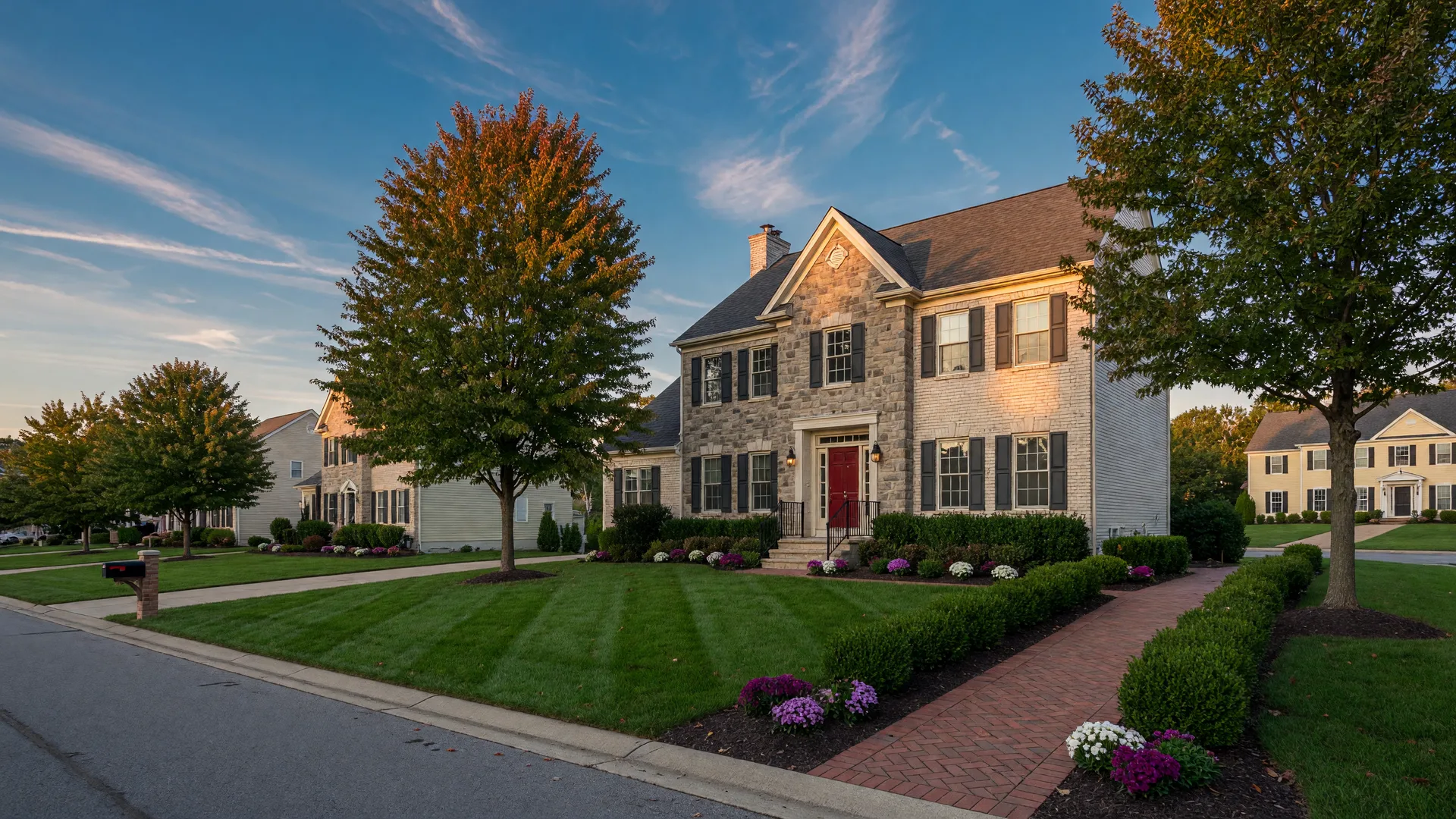
When buyers hear the phrase bidding war, they picture a frenzied market like 2021, when homes were getting 20 offers in the first weekend. The Dayton market today is calmer than that. But bidding wars have not disappeared. In the most desirable suburbs, well-priced homes can still pull multiple offers, and if you are not prepared, you can lose the house you love, or overpay for the one you win.
Here is what the latest market data shows. Across the Dayton region, the median sale price reached $241,862 in the first half of 2026, up 5.0% from a year earlier. About 21.4% of homes sold above original list price, and 30.8% sold within two weeks of listing. The region-wide median is about 38 days on market, which means sellers are not seeing the frenzy they once did. But those averages hide a lot of neighborhood-level competition. In Centerville, Redfin rates the market very competitive (around 74 out of 100,) and new listings there often draw about two offers and go pending within about a week in some cases. Beavercreek rates as somewhat competitive, with a median sale price around $334,832. Kettering saw 29.3% of sales close above list price. That is where bidding wars are happening now: not everywhere, but in the pockets where buyers most want to be.
So how do you win one of those battles without wrecking your budget? Here is the strategy I walk my buyers through.
Start with a full pre-approval, not a pre-qualification
A pre-qualification is a five-minute conversation about what you might afford. A full pre-approval is an underwriter-level review of your income, assets, credit,and debts. In a multiple-offer situation, a seller (and their agent() wants to know which offers are actually going to close. A thorough pre-approval letter from a reputable local lender signals that yours will.
I recommend buyers get pre-approved before they even start touring homes. It does a few things for you. It confirms what price range you can truly afford. It speeds up the whole process if you find the house. And it gives your offer credibility the moment it reaches the sellers hands. In a competitive situation, the seller's agent often goes through offers and sets the strongest aside first. Do not hand them a reason to set yours aside before you even get to competing.
Working with a local lender matters more than many buyers realize. A lender who knows the Dayton market, knows the local appraisal quirks,and can pick up the phone when the seller's agent calls makes your offer stronger than a slightly lower rate from an out-of-state call center. I can recommend lenders I trust from years of closings.
Know your number before the war starts
The single biggest mistake I see buyers make in a bidding war is deciding their limit in the moment. You get attached to the house. The offers climb. Ten thousand dollars stops feeling like real money. And three months later, you are sitting on a payment that is tighter than you planned, wishing you had walked.
Walk into the process with your number already decided. What is the maximum monthly payment you are comfortable with, considering taxes, insurance,and maintenance? What price does that translate to at today's rates? That number, not the asking price and not the other buyer's enthusiasm, is your ceiling. My job is to make sure you do not cross it. I have watched buyers win the house and lose the war withe themselves. Do not let that be you.
I tell every buyer: we are going to write a strong offer, and then we are going to be okay with walking away if the number stops making sense. The right house at the right price is out there. Competitive neighborhoods like Centerville and Beavercreek turn over inventory constantly. Missing one house is not failure. Overpaying for it is.
Use an escalation clause the right way
An escalation clause says your offer automatically increases by a set amount, up to a maximum you choose, if another offer comes in higher. Done correctly, it lets you compete without bidding against yourself or waiting for round two.
The smart way to use one: set your escalation amount(typically a few thousand dollars)and, more importantly, set a hard maximum that matches the budget number you already decided on. The clause only helps you if the cap is one you are genuinely comfortable paying, because if another offer beats you, you will pay up to that cap.
Not every seller will accept an escalation clause. Some prefer simple, clean offers,and some agents steer sellers away from clauses they find confusing. That is what your agent is for: knowing how this particular seller is likely to respond,and tailoring the offer to the situation. In the current market, flexibility and clean terms often matter as much as the top line number.
Shorten contingencies, do not waive them
This is the advice I give every buyer in a competitive situation, and it is worth saying plainly: do not waive the home inspection to win a bidding war. I have seen it go wrong more times than I can count. A roof that looked fine from the street, an HVAC unit on its last legs, a foundation issue that costs tens of thousands. The inspection contingency exists for a reason.
What you can do is make your inspection timeline more attractive to a seller. The standard Ohio agreement gives you 15 days. In a bidding war, offering a 7-day inspection window signals confidence while still protecting you. You can also agree to an informational inspection, where you complete the inspection but do not ask the seller to pay for minor items. That lets the seller know you will not nickel-and-dime them over a switch plate, while still giving you the chance to walk if something major surfaces.
Exactly which approach is right depends on the house, the seller,and the competition. A new construction home with warranties is a different risk than a 1970s fixer. Talk it through with your agent and decide what risk you can genuinely accept, then be honest about it. There are ways to compete without throwing away your protections.
Make your terms easier for the seller
Price is rarely the only thing a seller weighs when offers are close. Terms matter enormously. A flexible closing date can be worth thousands to a seller who needs time to find their next home, or who needs to close fast for a relocation. A leaseback, where the seller stays in the home briefly after closing, can make your offer the practical choice when the seller has not found their next place yet.
Nationally, concessions are playing a bigger role than in years. Redfin reports that 46.2% of U.S. home sales in May 2026 included seller concessions, up from 43.1% a year earlier and the highest May share on record. Concessions typically cover closing costs, mortgage rate buydowns, and repairs. In a bidding war, offering to cover a reasonable share of closing costs or a rate buydown can differentiate your offer without inflating the price you pay.
A strong earnest money deposit also matters. It tells the seller you are serious and that you have real skin in the game. Your agent can help you pick an amount that signals confidence without tying up more cash than necessary.
Be ready to move fast and respond fast
In a competitive market, speed and responsiveness win offers. Have your paperwork organized before you find the house. Know what documentation your lender needs. And when the seller's agent counters, respond quickly with a clear decision, not silence while you think about it for two days.
This is also where having an agent who knows the local market pays off. I know who is listing homes in Hunters Ridge and Hunters Pointe in Beavercreek. I know how sellers in Centerville and Kettering tend to handle multiple offers. That context shapes how we write every offer, from the escalation amount to the closing date. Strategy matters more than luck in these situations.
Remember that patience is a strategy too
Here is the part buyers forget when they are in the middle of a bidding war: you do not have to win this one. The Dayton region currently has a healthier supply of homes than it did a few years ago, and the median home sits on the market about 38 days. Only about one in five homes region-wide sells above its original list price. Most homes are selling for at or near asking price, and most buyers are not fighting over the same house at all.
That means losing a bidding war is rarely the disaster it feels like at the moment. New listings come on every week. Neighborhoods like Beavercreek, Centerville,and Kettering keep turning inventory. If an offer does not make sense at the number you decided on, walking away and waiting for the next house is a legitimate winning move.
The bottom line
Bidding wars now happen in pockets of the Dayton market, and the buyers who win them are the ones who prepared before the battle started. Full pre-approval, a realistic budget number, smart offer terms,and the discipline to walk away when needed: that is how you win without losing.
Whether we are competing for a home in Hunters Ridge or waiting for the next listing to hit the market, I will give you straight answers and a strategy that fits your situation. That is what 20 years in the Dayton market gives you: perspective you cannot get from an app alone.
Have questions about buying or selling in the Dayton area? Call 937-604-0720, email jason@thegaydoshteam.com, or book a consultation at https://calendar.app.google/FoaJL8gM4v3MfsTa8.
Jason White

Ready to compete with confidence in the Dayton area?
Whether this is your first offer or your fifth, I will help you write strong, smart offers that fit your budget and your goals.
Let's Connect
Have questions about buying
in the Dayton area?
I have guided hundreds of buyers through multiple-offer situations with honest advice and straight answers. Let me put that experience to work for you.